

Identity, loneliness, resilience
The voices of two queer artists we love...
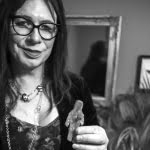
Eli Moffett
Hi i’m Eli, i’m 21 and a queer creative living in Cumbria, my journey has been one of both profound challenges and deep fulfilment. Cumbria is renowned for its stunning natural beauty and historical significance. However, it is also a region that presents unique obstacles for LGBTQ+ individuals, particularly in creative fields.
Navigating my identity as a queer individual in a predominantly conservative area has been challenging. There are moments of palpable discomfort when confronting the more traditional and sometimes prejudiced attitudes that still linger in parts of the region. A lot of the time I’ve found my work/myself challenged by artists because of my queer identity and how I don’t necessarily fit into their idea of an artist. This has been a frustrating thing for me because I shouldn’t have to fit a mould to be seen as an artist.

However, these experiences have also fuelled my creativity, driving me to explore themes of identity, loneliness, and resilience in my work. Art becomes a powerful form of expression and resistance, a way to carve out a space for myself and others like me within this community.
The support networks available to queer creatives in Cumbria, though sparse, are invaluable. Small but passionate LGBTQ+ groups and events provide a sense of solidarity and community. Local art galleries and cultural centres have begun to embrace more diverse voices, offering platforms for queer artists to showcase their work. These spaces, though limited, are lifelines that affirm our existence and celebrate our contributions. These communities have really helped me come out of my shell as well as let me meet other queer creatives in Cumbria to help me feel less alone in this isolating location.
My journey as a queer creative in Cumbria is a reminder that even in the most tranquil and seemingly unassuming places, there are vibrant stories waiting to be told. Through my art, I hope to contribute to a more inclusive and accepting narrative, highlighting the beauty and complexity of queer experiences in rural settings. Cumbria is an integral part of my creative identity, shaping my work in profound and lasting ways.
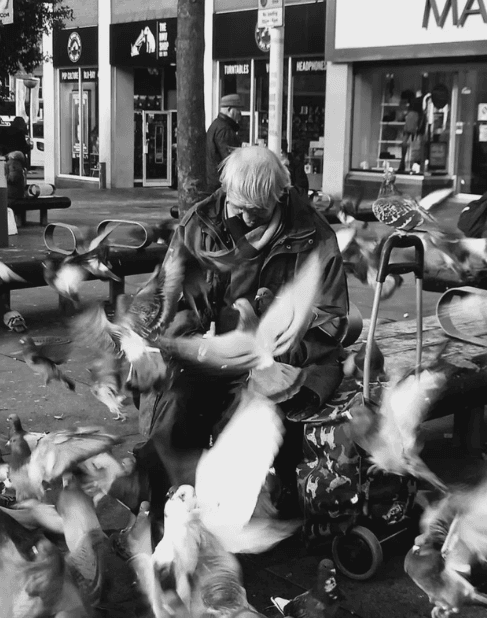
Emory Southwick
My name is Emory, I’m 23 and I’m a multidisciplinary self-taught artist and life model. I’m also queer, trans disabled, and neurodiverse – it would be impossible to separate these identities from myself and my work.
Life modelling was how I got back into art and learned to love my body. When I first started, I hadn’t had top surgery, had only recently begun HRT, and was struggling with my mental health. Modelling gave me a space to actively exist with my body and make myself understand it and its limitations. I started modelling in my room with a phone camera and taking pictures to try drawing them. Then I got better at it and I discovered Queer Life Drawing, which changed my life.
Callen Wynn started Queer Life Drawing in 2021 to try and get more people interested in queer bodies and better representation in art. This was something I was so excited by so I went along to a session where I felt so free to draw beautiful queer people. Slowly, I got more comfortable drawing and painting people, then I started modelling for other people too. In November 2021 I did my first online life session. I had so many people come and draw me which was so empowering. This made me want to draw more and I gradually got better at drawing and making art. In April 2022 my body became part of the Queer Life Drawing logo and I started doing more modelling. It took a lot of confidence boosts and support from friends and family but in April 2023 I decided to try to be a freelance artist. Here I am a little over a year later being one.
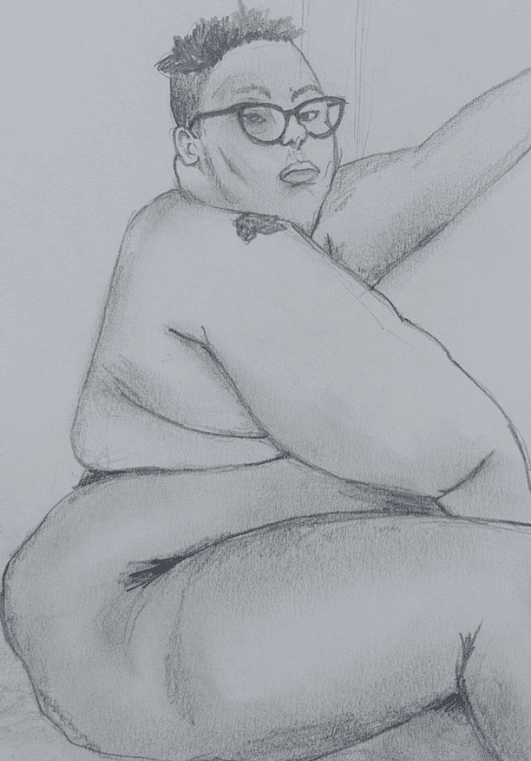
Now I make art of queer people, model regularly, and run monthly Queer Life Drawing sessions. It is a privilege and an honour to run these sessions and life drawing is so important to me because I wouldn’t have become an artist without life drawing.
Modelling is so important because there are so many different types of bodies in the world. My body, for instance, has been crippled by years of binding and I have top surgery scars which are very visible ways you can see my identity. It’s important that I do this so other people can see what trans disabled bodies can look like and how beautiful they are.
LATEST POSTS

Thrim’s Journey: The Origin of the Midges
A folk tale interpretation about the origin of the midges, written by Samantha De La Parra. After Ragnarok, a long […] Read More